By Bilal Ahmed
England enters knockout stage
England head coach Thomas Tuchel has described the World Cup knockout stage as the “third chapter” in his team’s journey, aiming for a historic triumph. The initial phase involved a training camp in Miami and securing qualification for the last 32 by topping Group L. The second phase, which included victories against Croatia and Panama, alongside a goalless draw with Ghana, was deemed satisfactory rather than gripping.
The team is now in a critical period where a single misstep could end their campaign. England is set to face DR Congo in Atlanta on Wednesday. This match will be held in the temperature-controlled Atlanta Stadium, sparing players from the city’s heat and humidity. The tournament has already seen surprises, indicating the potential for further upsets.
Tuchel emphasized the need for his team to find ways to win, dig in, and perform at the highest level. He acknowledged England’s status as favourites and the public’s expectation for them to advance beyond the round of 32. He also noted that there is no over-confidence in their approach, understanding the narrow margins in knockout football.
Defensive concerns and key players
Tuchel’s team selections have involved tactical adjustments, managing player minutes, and addressing injuries. A significant area of vulnerability for England is its defence. Former England captain Wayne Rooney highlighted the lack of stability in the back four, a concern that existed even before the tournament began.
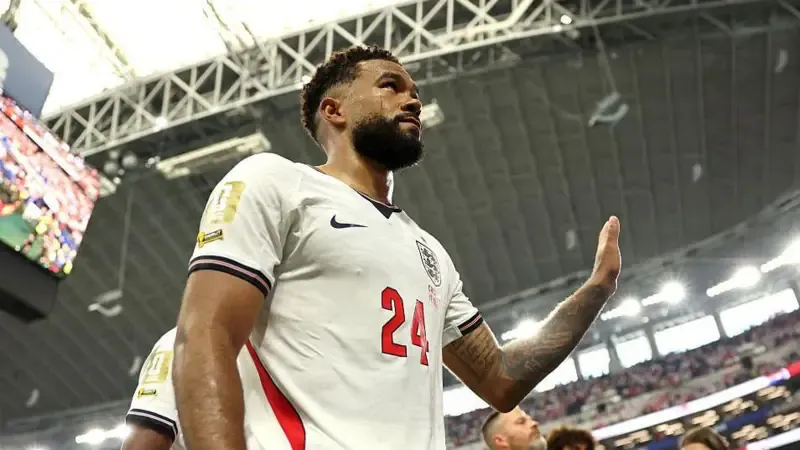
Injuries to players like Tino Livramento and Chelsea captain Reece James have compounded these defensive issues. Livramento was ruled out before the World Cup, and James sustained a hamstring injury against Croatia. The situation worsened when James’ deputy, Jarell Quansah, was also injured against Panama, further depleting England’s right-back options.
Both James and Quansah will be absent for the match against DR Congo, though Tuchel indicated they are nearing a return, with Quansah slightly ahead in recovery. This leaves Djed Spence as the primary right-back, with the possibility of moving centre-back Ezri Konsa to that position, which could lead to a recall for John Stones. The defensive line has seen changes, with Tuchel starting Stones and Konsa against Croatia, then switching to Konsa and Marc Guehi in subsequent matches.
Tuchel has had to consider Stones’ limited appearances for Manchester City and James’ for Chelsea before the World Cup. The coach’s strategy of using versatile defenders who can play multiple positions has put England in a challenging spot, especially if they face strong attacking teams like Brazil in later stages. Additionally, Tuchel needs to decide whether Arsenal’s Bukayo Saka, who is managing an Achilles tendon problem, will start against DR Congo after playing 63 minutes against Panama.
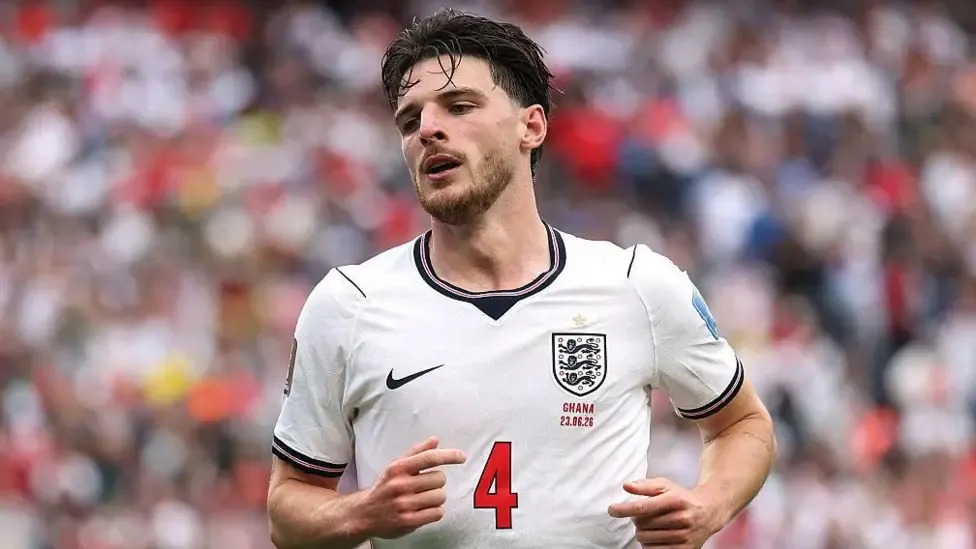
Declan Rice is considered a crucial player for England, especially given the team’s defensive vulnerabilities. Tuchel wisely rested Rice for the Panama game due to a yellow card and a hamstring problem, which was aggravated by a kick to the calf against Ghana. England’s performance against Panama, where they conceded 13 shots, underscored Rice’s importance alongside captain Harry Kane and Jude Bellingham.
Rice’s ability to provide a defensive screen, contribute to attacks, and deliver from set pieces makes him irreplaceable. His presence is vital for shielding England’s defence and providing creative impetus. The team’s selection of attack-minded players like Bellingham and Aston Villa’s Morgan Rogers, while rewarding, also left the midfield exposed, with Elliot Anderson being overworked.
The challenge of DR Congo
DR Congo, having finished as the highest-ranked third-place finisher, enters the knockout stage with momentum. Their journey to the World Cup, the first in 52 years, has been marked by significant challenges, including 13 qualifiers, a pre-tournament quarantine due to an Ebola outbreak, and decades of instability. Despite these obstacles, the nation is making its mark on the global stage.
Yoane Wissa, who scored two goals in their win against Uzbekistan, highlighted the difficulties faced by his country. Many players in the 26-man squad, including Wissa, were born outside of Congo, predominantly in France. Coach Sebastien Desabre’s side played with two forwards in their 3-1 victory over Uzbekistan, but they are expected to revert to a five-at-the-back formation against England, a tactic they used in a 1-1 draw with Portugal and a 1-0 loss to Colombia.
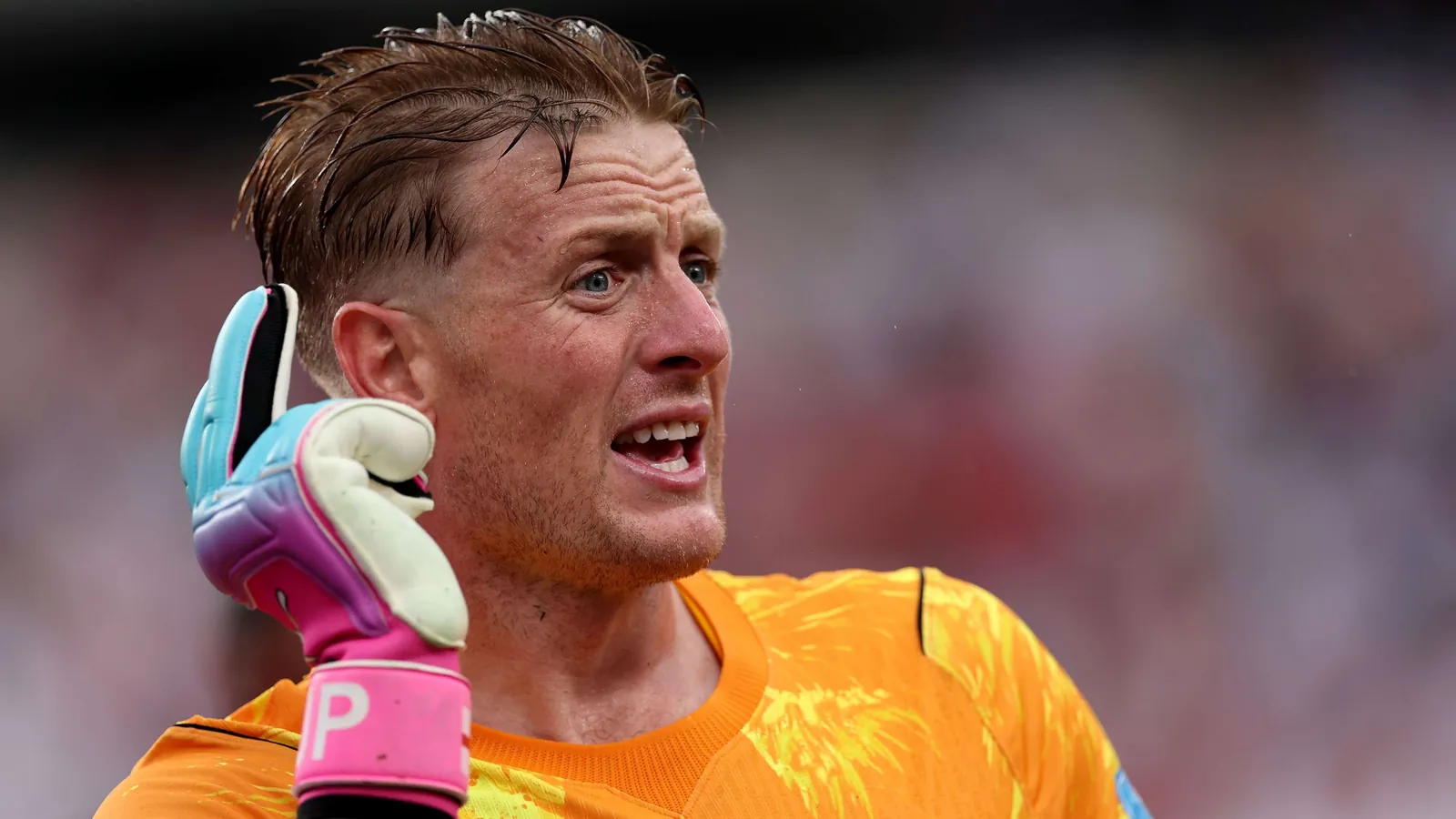
The knockout stage demands precision, and Tuchel cannot afford any errors. The unexpected defeats of Germany by Paraguay and the Netherlands by Morocco serve as clear warnings, leading to pressure on coaches Julian Nagelsmann and Ronald Koeman, respectively. Tuchel acknowledged these upsets, stating that they highlight the narrow margins in knockout football and can help calm the team’s minds by preventing over-expectation.
The match against DR Congo is scheduled for Wednesday, July 1st.
Read Also
Source: bbc.com