
By Bilal Ahmed
Potential expansion to 64 teams
Discussions are underway regarding a potential expansion of the World Cup to include 64 teams, a move that could significantly alter the economic and logistical landscape of global soccer. This consideration follows the recent 48-team tournament, which marked a departure from the previous 32-team format in place since 1998. FIFA President Gianni Infantino has indicated that the possibility of further expansion is being examined, reopening debate about the practical limits of the sport’s premier event.
The 2026 World Cup, hosted by Canada, Mexico, and the United States, was the first to feature 48 nations and comprised 104 matches over more than five weeks. If a 64-team format were to adopt a similar structure, with four-team groups followed by a 32-team knockout stage, it would involve 128 matches. This represents 24 more games than the 2026 tournament and double the number played under the former 32-team format. Such an increase could extend the tournament’s duration by approximately another week, unless the schedule is compressed or more matches are played concurrently.
The proposed expansion has garnered differing opinions among soccer officials. UEFA President Aleksander Ceferin has expressed opposition, stating that it is not a beneficial idea for either the World Cup itself or the qualifying competitions. His stance has remained consistent. Similarly, Asian Football Confederation President Sheikh Salman bin Ibrahim Al Khalifa has questioned where such expansions might ultimately conclude. Conversely, President Infantino has emphasized the importance of making the World Cup accessible to the entire world, not solely Europe and South America, suggesting that providing smaller countries with a chance to participate offers an incentive for continued improvement.
Economic and logistical implications
The financial ramifications of a 64-team World Cup could be substantial. By making qualification easier for a broader range of nations, the commercial value of regional qualifying competitions might decrease. This shift could lead to regional confederations becoming more reliant on FIFA‘s financial distributions, potentially centralizing greater financial influence and power within the global governing body. For national federations, even well-resourced ones, the costs associated with participating in an expanded tournament could increase. The French Football Federation, for instance, anticipated spending 24.5 million euros at the recent World Cup, with its president noting that reaching at least the semi-finals would likely be necessary to avoid financial losses. A longer, 64-team event would likely amplify these costs.
Logistically, accommodating 64 teams presents significant organizational challenges. The 2030 World Cup, for example, is planned to be primarily hosted by Spain, Portugal, and Morocco, with Uruguay, Argentina, and Paraguay each hosting a single opening-round match to commemorate the tournament’s centenary. Managing such an event across six host nations is complex, and hosting it in a single country would be even more demanding. Saudi Arabia, slated to host the tournament alone in 2034, already faces considerable scheduling questions, including the potential impact of Ramadan on the traditional November-December window. A 64-team format would intensify these challenges, requiring more stadiums, training facilities, hotels, transport capacity, and volunteers, while also placing additional pressure on infrastructure, particularly in countries still developing their tourism sectors.
The Saudis have proposed 15 venues for the existing 48-team format, including eight stadiums in Riyadh, four in Jeddah, and others in Khobar, Neom, and Abha. Construction and renovation efforts are already in progress in anticipation of the 2027 Asian Cup. An expanded World Cup would also add to the already congested international calendar, increasing pressure on domestic leagues, many of which have adopted Europe‘s traditional August-to-May season. The J-League in Japan is transitioning to an August-to-May campaign, and U.S. Major League Soccer plans a similar change from next year. Consequently, any future winter World Cup would disrupt a growing number of competitions, not just Europe‘s major leagues, as was observed in 2022.
Impact on competition and participation
One of the key arguments in favor of expansion is the opportunity it provides for more nations to participate. For instance, a 64-team tournament could potentially facilitate qualification for countries like China, which last qualified for the World Cup in 2002. Despite the expanded field in the recent tournament, China‘s national team did not qualify, and its performance in Asian qualifying, including a 7-0 loss to Japan and draws with Singapore, highlighted the gap. The prospect of China‘s participation, and its significant market, is seen by some as a driving factor for further expansion, despite opposition from some regional governing bodies.
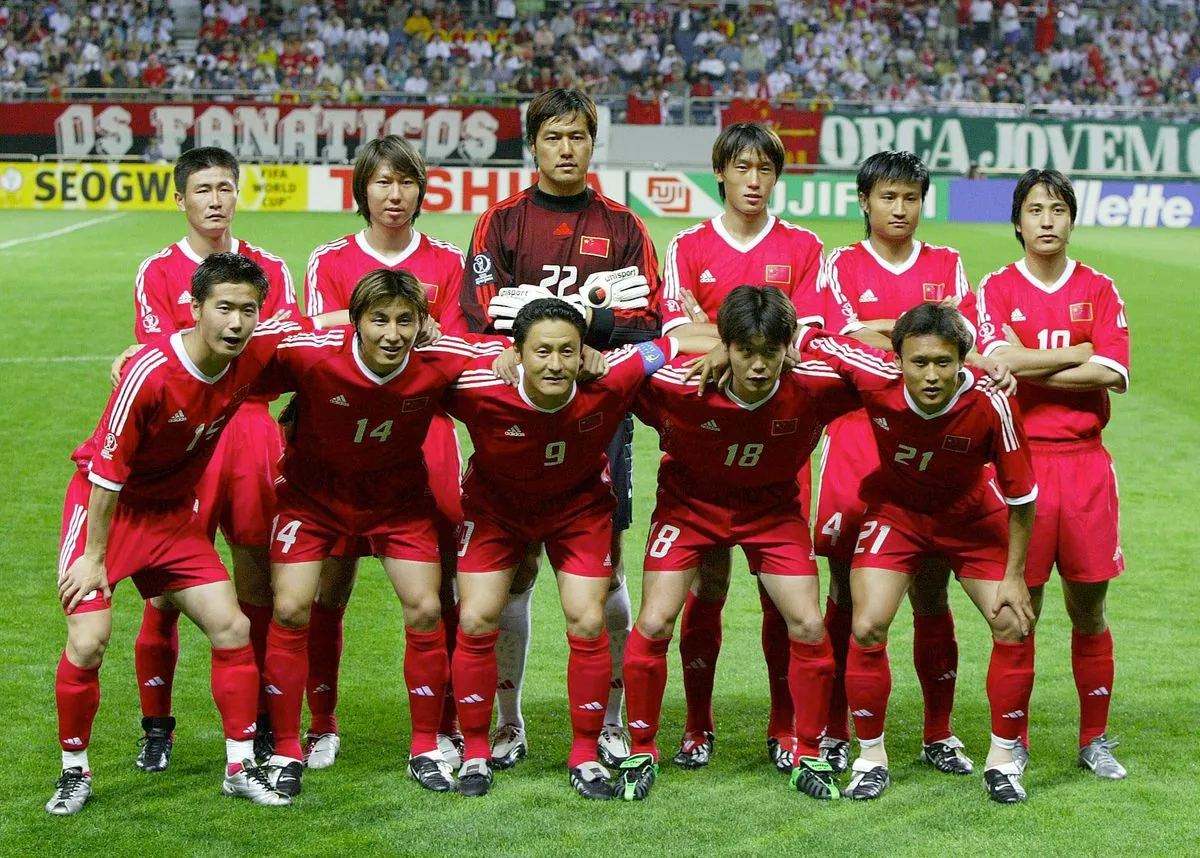
Critics of the expansion argue that it could dilute the quality of the group stage, with some matches potentially lacking intensity. They also suggest that it has become easier to advance to the knockout rounds than to be eliminated. A 64-team tournament would allow more than a quarter of FIFA‘s 210 men’s international teams to compete, which would undoubtedly redefine the significance of qualifying for the World Cup. Player welfare is another concern, as more matches would increase the workload for elite players. The debate also encompasses competitive balance, the overall length of the tournament, costs for fans, and whether the World Cup risks losing some of the exclusivity that has historically contributed to its appeal. The progression of the 64-team idea may ultimately depend on the assessment of the first 48-team World Cup.
Read Also
- New York/New Jersey Stadium hosts Spain's World Cup 2026 victory over Argentina
- FIFA investigates on-pitch brawl after Spain's World Cup final victory over Argentina
- US seizes over 1,000 domains in FIFA World Cup piracy crackdown
- Spanish football chief criticises FIFA over World Cup plans and leadership
Source: tribune.com.pk