By Ayesha Raza
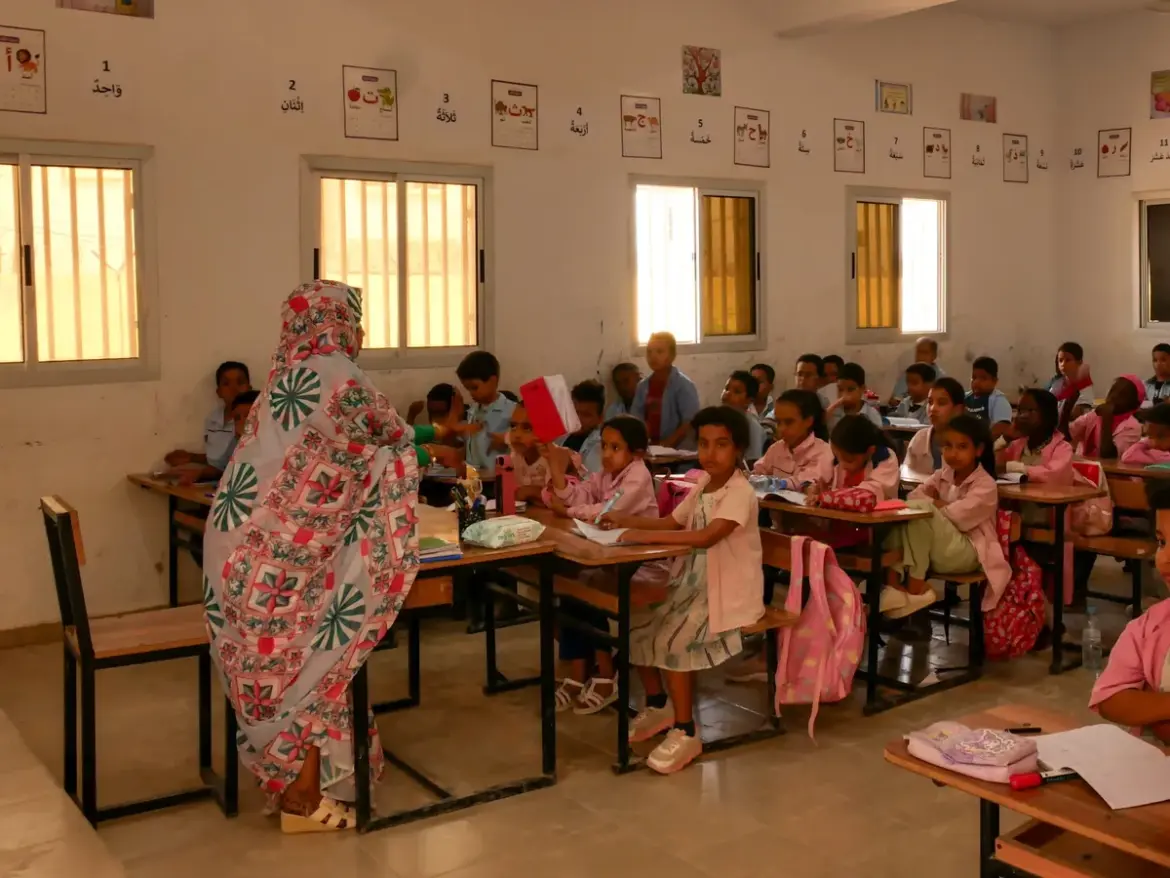
The Mauritanian government announced it will phase out private schools in favor of state-run institutions. This decision aims to standardize education quality across the country.
As of early Tuesday, private school owners and teachers expressed concerns about job losses and declining educational standards due to these reforms. “The changes are too rushed and too sudden,” said Meyey Ould Abdel-Wedoud.
The government’s new education policy includes free basic education for all children, even in middle school. Education will now be mandatory for children to enroll in primary school by age six.
Historically, private schools emerged in 1981 due to insufficient government-funded institutions. Private primary school enrolments surged from 12,391 in 2002 to 71,104 by 2012.
Yet, the reforms aim to tackle systemic inequalities in education. Currently, about 30 percent of school-aged children are not enrolled in any school. Alarmingly, 95 percent of Mauritanian children cannot read or understand texts by age ten.
Private high schools will remain exempt from this policy. The government plans to revamp the entire education sector by 2030.
Mohamed El Saleck Ould Taleb stated, “Everyone will wear the same uniform, sit at the same table, from the south to the north, and education will be the same thing.” This reflects a vision for a unified educational experience across diverse regions.
However, uncertainties linger regarding how many private schools exist in Mauritania. Officials have yet to clarify plans for teachers who may lose their jobs as a result of these changes.
The situation remains fluid as stakeholders grapple with the implications of this significant shift in educational policy.