The ongoing conflict has escalated tensions in the Strait of Hormuz, with Iranian lawmakers asserting there will be no return to the old status quo. This declaration follows recent Iranian missile strikes against the United Arab Emirates.
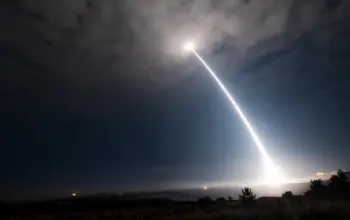
On May 5, 2026, the UAE intercepted Iranian missiles after a suspected drone attack targeted its Fujairah energy hub. Reports indicate that two individuals were injured in Oman when a residential building was struck along the strait.
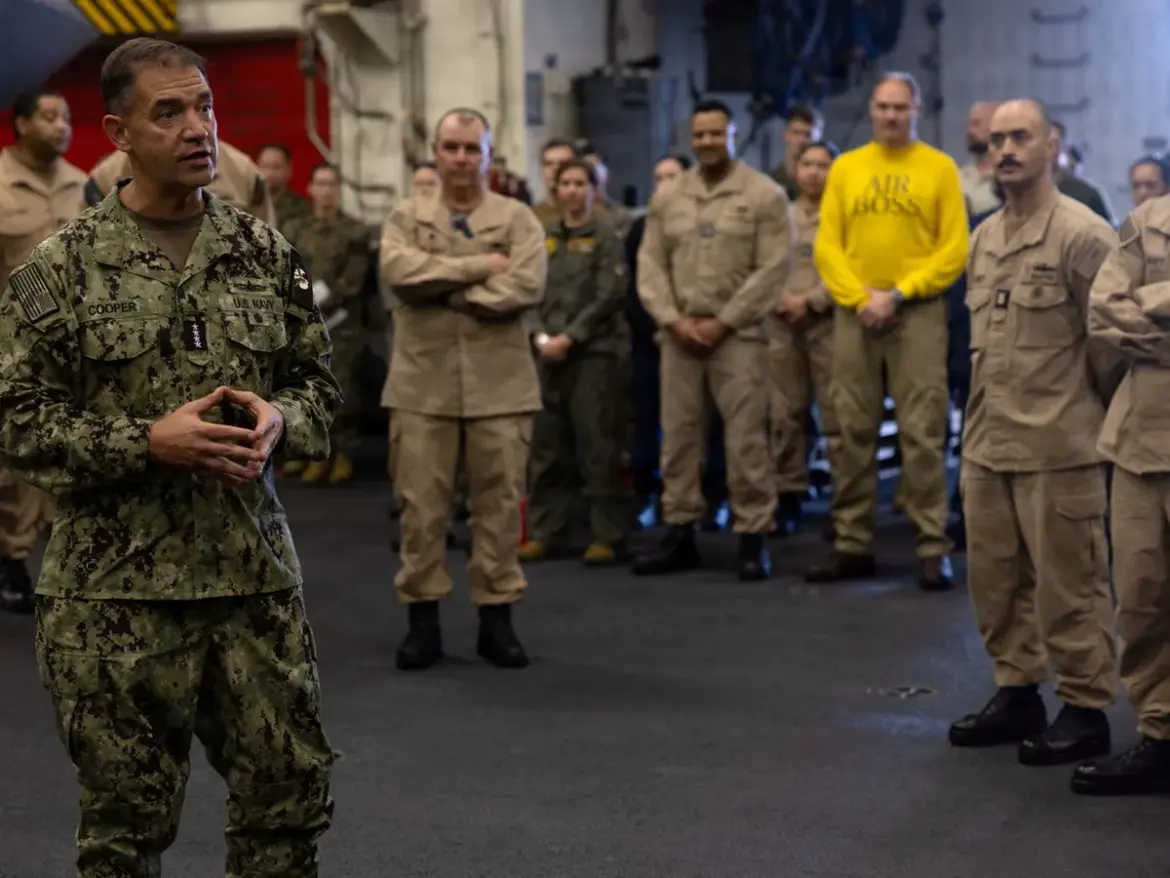
As of midday, the US military confirmed that two US-flagged merchant vessels passed through the Strait of Hormuz under naval escort. Meanwhile, the Islamic Revolutionary Guard Corps denied any commercial ships had transited through the area.
Prime Minister Mark Carney of Canada expressed solidarity with the UAE following these attacks. Global condemnation has poured in from various countries and organizations regarding Iran’s actions.
Iran’s Foreign Minister stated that there is no military solution to this political crisis, emphasizing that managing the strait remains a legitimate right for Iran. However, tensions are palpable as threats escalate.
Donald Trump warned that Iran would be “blown off the face of the earth” if it targeted US vessels in the strait. Such statements reflect heightened concerns about potential military engagement.
The situation remains fluid, and further developments are anticipated as diplomatic efforts continue. The Gulf Cooperation Council is expected to address these escalating tensions in upcoming meetings.