
By Bilal Ahmed
Matt Freese, goalkeeper for the United States men’s national team, has spoken out about the team’s elimination from the World Cup, describing it as one of the most challenging periods of his career. The defeat came against Belgium, a match marked by defensive errors.
Freese, who plays for New York City FC, recounted his journey home, noting that despite the difficult loss, he encountered young fans and their parents who expressed newfound enthusiasm for soccer. He shared this experience with the New York Post, stating it was “super incredible” and made him proud of the impact the team had, even during a tough time.
The USMNT goalkeeper admitted that a week after the match, a particular thought lingered: “I wish I wasn’t back home.” He is now back in New York, preparing for the resumption of the MLS season with his club.
Reflecting on a Costly Error
The defeat was particularly painful for Freese, who made a significant error late in the match against Belgium. A failed clearance led to Belgium’s third goal, effectively diminishing the United States’ chances of a comeback. He acknowledged that this moment, like other mistakes in sports, will stay with him.
Freese stated that the experience would motivate him to work harder and improve, aiming to create more positive moments and reduce errors. He emphasized that this mistake would not define his career but would instead serve as a catalyst for growth.
The team’s World Cup campaign had initially captivated American fans, but the controversy surrounding Folarin Balogun’s suspension and the nature of their elimination ultimately overshadowed what had been an inspiring run.
Support for Coaching and Future of US Soccer
During his interview, Freese also voiced his support for Mauricio Pochettino to continue as the head coach of the USMNT. He believes the team, along with the federation, possesses a strong belief and hunger to achieve something special and reach the next level in international soccer.
Addressing those who doubt the future of soccer in the United States, Freese conveyed a determined message: “I would say I’m going to work like a dog to make sure that’s not true.”
The United States’ exit from the World Cup has prompted widespread discussion about the state of soccer in the country. Many observers noted that the nation experienced a period of post-elimination reflection, despite a common perception that Americans care little about the sport.
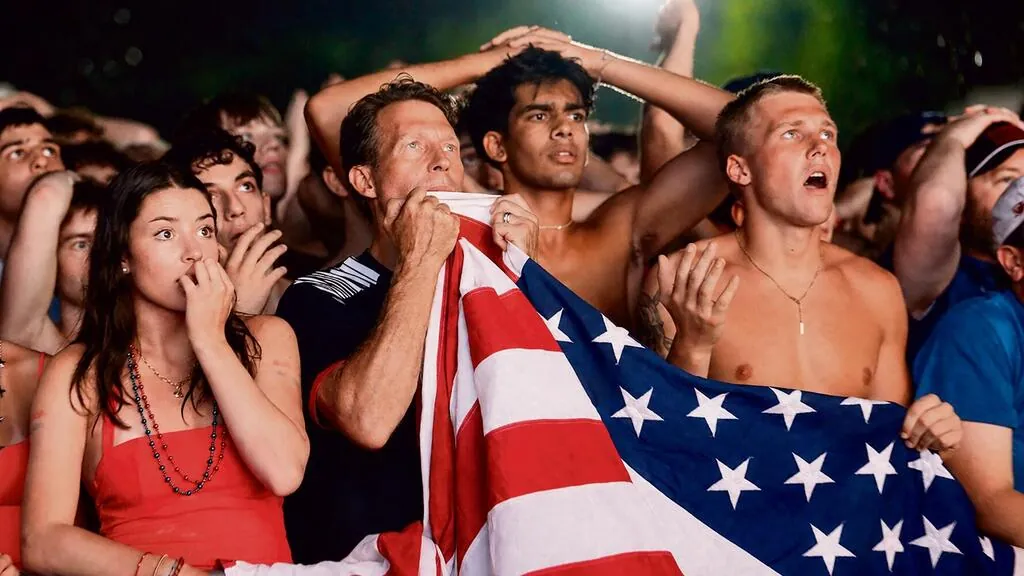
The round-of-16 match against Belgium garnered significant viewership, with 50 million people tuning in. This made it a highly watched sporting event in the United States this century, outside of the decisive stages of the NFL playoffs.
Challenges in Youth Development
One of the identified issues in American soccer is the structure of youth development. Landon Donovan, a prominent American soccer figure, highlighted research indicating that a small percentage of young soccer players in the United States come from households with an annual income below $50,000. This suggests that the sport is largely inaccessible to a significant pool of talent.
Donovan shared his personal experience, noting that his family’s income would have made it impossible for him to participate in youth club soccer under the current system. The financial burden on parents is a substantial barrier.
While the U.S. Soccer Federation and Major League Soccer academies have made efforts to improve the development pathway, offering free training to selected players, the sport remains largely a business at the youngest ages. This pay-to-play model is seen by some as hindering the development of a diverse talent pool.
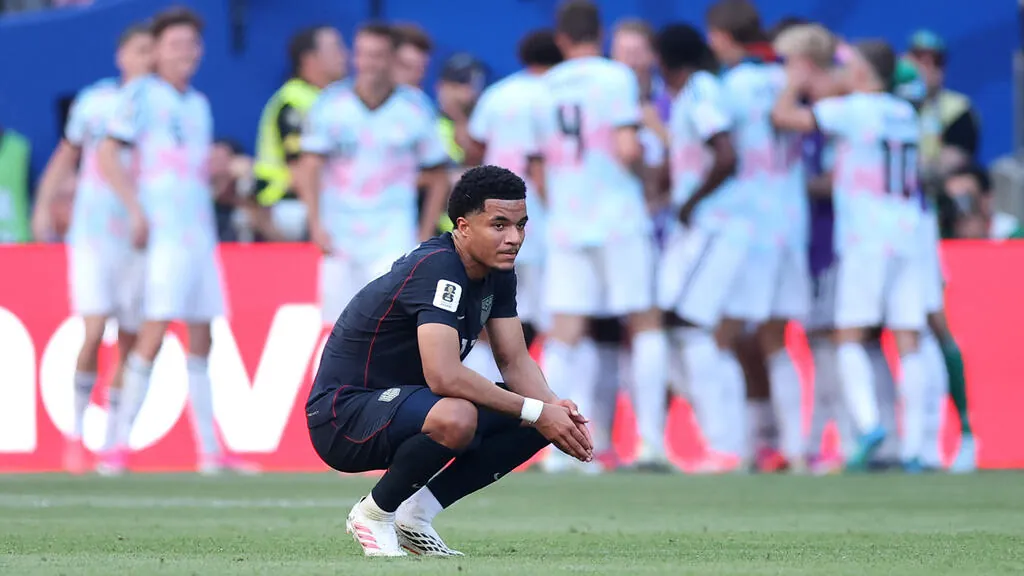
The focus on profit within youth clubs is believed to prioritize results over player development. Critics argue that this system not only excludes talented individuals but also rewards clubs for short-term gains rather than long-term player growth. The youth sports industry in the United States is valued at over $40 billion, with a continuous drive to generate more revenue from affluent families.
Some commentators, including former player Alexi Lalas, have debated whether public funding should support the youth soccer system. Estimates suggest that fully funding the entire U.S. youth soccer development system to eliminate the pay-to-play model could cost between $3 billion and $5 billion annually.
Despite the challenges, the growth of soccer in the professional league, the increasing number of American players in European leagues, and the influx of international talent into MLS are seen as signs of evolution. The United States continues to develop its soccer landscape, with many hoping for further progress in the coming years.
Read Also
Source: marca.com