By Bilal Ahmed
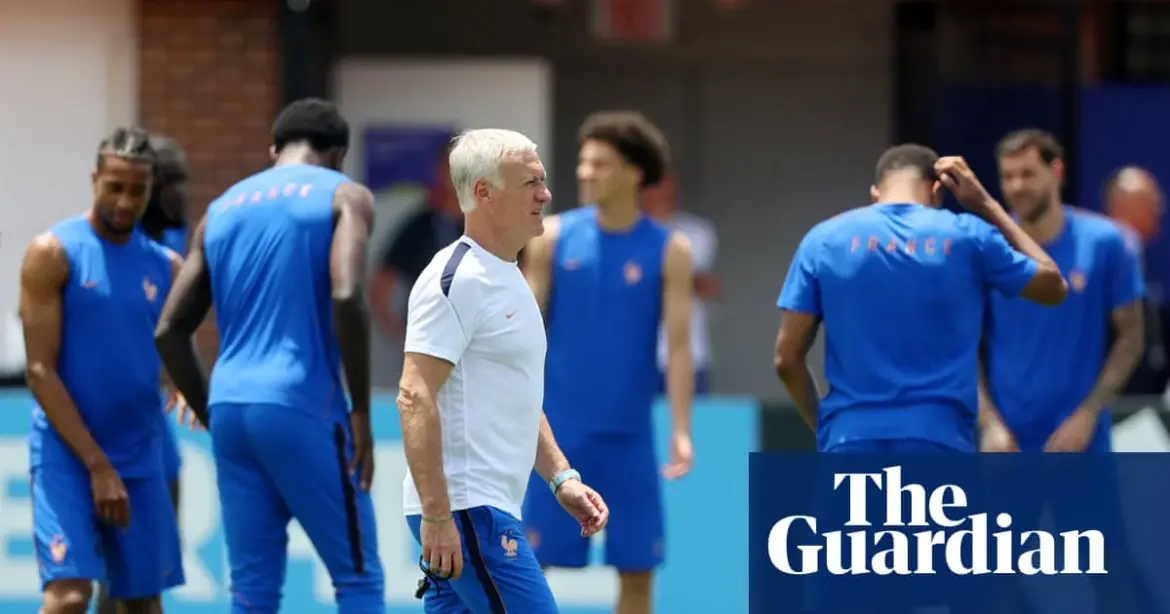
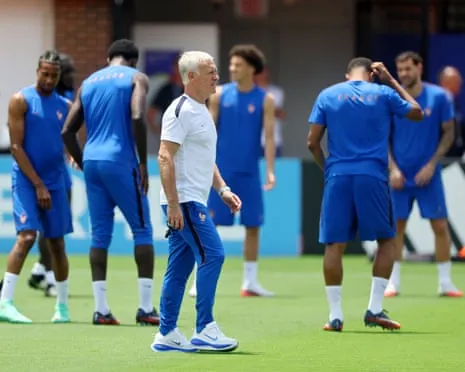
The long tenure of Didier Deschamps as manager of the France national team is set to conclude following their exit from the World Cup. His final match will be the third-place play-off on Saturday. This follows France‘s defeat in the semi-finals against Spain.
Deschamps, who has been in charge since 2012, had previously announced in January 2025 his intention to step down after this summer’s tournament. He will manage his farewell game in Miami against the loser of the England versus Argentina match.
Deschamps’ remarkable legacy
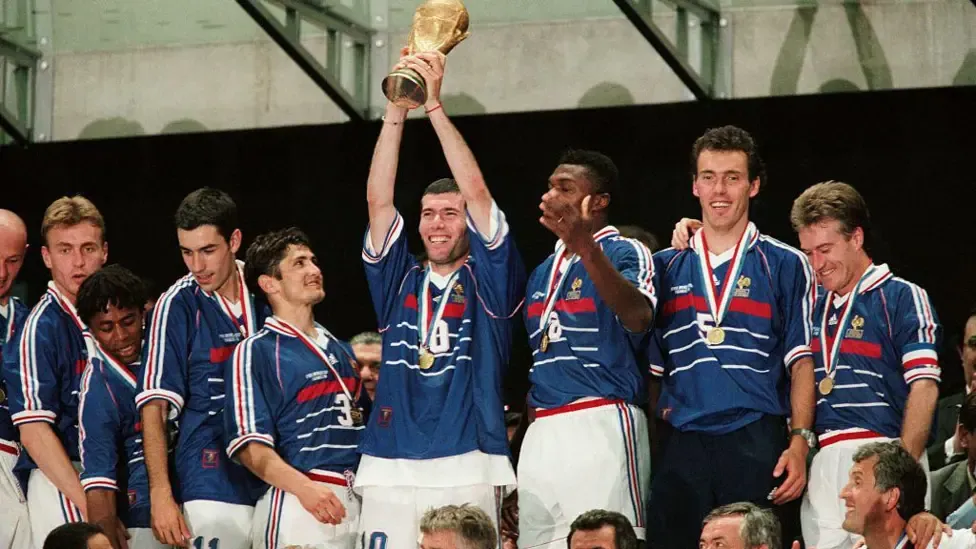
Deschamps holds a unique place in football history as one of only three individuals to win the World Cup as both a player and a manager. He captained France to victory in 1998 and led them to the title as manager in 2018. His managerial career with the national team has spanned 14 years, a rare longevity in modern football.
During his time, France reached the quarter-finals or better in four consecutive tournaments. They were also finalists in the 2022 World Cup, where they lost on penalties. Deschamps has overseen 20 wins in his 26 World Cup matches as France boss, with only three losses, including the recent defeat to Spain.
Former France striker Olivier Giroud, who won the 2018 World Cup under Deschamps, spoke about the manager’s impact. Giroud noted that Deschamps was like a second father figure to some players and always showed confidence in him. He highlighted Deschamps’ philosophy of giving freedom to players while maintaining tactical balance and instilling a strong competitive mindset.
Gael Clichy, a former France full-back, also praised Deschamps, stating that he transformed a struggling team into a top-tier contender. Clichy emphasized that Deschamps’ legacy for French football, both as a player and coach, is phenomenal. He took over a team that had faced issues, including a squad refusal to train at the 2010 World Cup, and significantly improved their performance and unity.
Deschamps’ tactical approach has evolved, particularly in recent times. After a defeat to Italy in a Nations League opener and a subsequent match against Belgium where his name was booed, he promised to revitalize the national team. He implemented a more attacking setup, often sacrificing a midfielder for an additional forward, as seen in a Nations League semi-final against Spain in June 2025, which France lost 5-4 but showcased a new template.
This new dynamism has been evident in the recent tournament, with players like Kylian Mbappé, Ousmane Dembélé, and Michael Olise contributing to a potent attack. Deschamps has also managed the transition of the squad, integrating younger players after the international retirements of veterans such as Hugo Lloris, Raphaël Varane, Olivier Giroud, and Antoine Griezmann.
The succession and future challenges
The individual most frequently mentioned as Deschamps’ successor is his former teammate, Zinedine Zidane. Reports from March indicated a verbal agreement for Zidane to take over this summer. Zidane, who played alongside Deschamps in the 1998 World Cup victory, has previously managed Real Madrid, winning three Champions League trophies during his two spells with the club, the last of which ended in 2021.
Clichy commented on the challenge awaiting Deschamps’ successor, stating that it will be difficult to follow in his footsteps. Zidane will face the task of deciding whether to maintain the offensive strategy that brought Deschamps success or to introduce a new approach. The incoming manager will inherit a team performing at a high level but will need to demonstrate the ability to sustain or even surpass the achievements of his predecessor.
The bond between Deschamps and Kylian Mbappé has been highlighted, with Mbappé embracing Deschamps after scoring against Sweden in the round of 32. Deschamps himself noted Mbappé’s determination to overcome the disappointment of the 2022 World Cup final.
Deschamps’ final match in charge will be the third-place play-off on Saturday.
Read Also
Source: bbc.com