By Bilal Ahmed
FIFA to assess match reports
FIFA, football’s global governing body, is currently evaluating match reports to determine if any action will be taken against Argentina’s players. This follows an incident where players displayed a banner reading “Las Malvinas son Argentinas” (The Falklands are Argentine) after their victory over England in a World Cup semi-final match held in Atlanta.
A British minister had previously urged FIFA to investigate the matter. In response, FIFA issued a statement indicating they were “assessing the match reports.” The statement clarified that FIFA’s independent disciplinary committee is reviewing the reports and relevant circumstances before deciding on potential next steps, based on the FIFA disciplinary code.
The incident has drawn attention from political figures. The Downing Street office of Prime Minister Keir Starmer supported calls from Business Minister Peter Kyle, who described the banner display as an “egregious violation” of FIFA rules. These rules prohibit the display of political symbols on the field of play. A Downing Street spokesperson commented, “The World Cup might not be ours, but the Falkland Islands definitely are.”
Kyle emphasised the separation of politics and football, stating that it is a central tenet of the World Cup. This is not the first time Argentina’s football association has faced penalties for similar displays. In 2014, they were fined 20,000 for players posing with a banner bearing the same message before a friendly match against Slovenia. FIFA had then ruled that the gesture violated rules concerning “political action” and team misconduct.
Historical context and political reactions
The display of the banner is rooted in a long-standing sovereignty dispute over the Falkland Islands, known in Spanish as the Malvinas. Britain occupied the islands in the 19th century, but Argentina maintains its claim to the territory. In 1982, Argentina invaded the British Overseas Territory in the South Atlantic, leading to a brief war. Britain subsequently regained control of the archipelago after then-Prime Minister Margaret Thatcher dispatched a naval task-force.
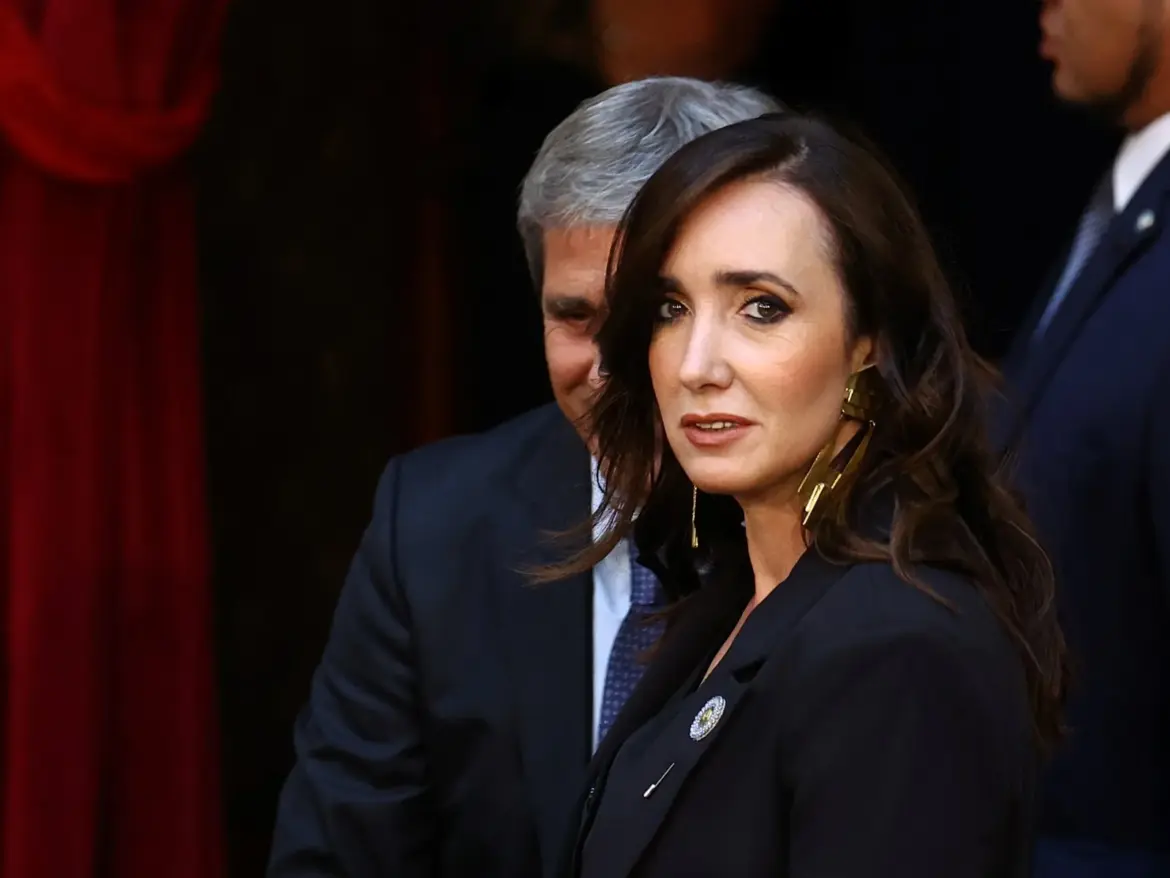
The 1982 conflict resulted in the deaths of 649 Argentines and 255 Britons. The sovereignty of the islands remains contested. Ahead of the semi-final match, Argentina’s Vice President Victoria Villarruel referred to the English as “usurping pirates” in a post on X. She stated, “It’s not just another match,” highlighting the historical and political significance for Argentina. Her father participated in the 1982 Falklands War.
Argentina’s President Javier Milei defended the banner display, calling it “perfectly valid and legitimate.” He told El Observador radio station that it reflects a sentiment shared by all Argentines. Milei affirmed, “The Malvinas are Argentine, we’re going to recover them, and we will do it through diplomatic means.”
In contrast to the political statements, Argentina coach Lionel Scaloni and several players sought to minimise the political and historical implications of the match. Scaloni stated, “It’s a football match, plain and simple. So, mixing the two would be madness.”
Security measures and diplomatic protests
Prior to the semi-final in Atlanta, Argentinian Security Minister Alejandra Monteoliva announced that fans would be prohibited from bringing flags or other items referencing the Falkland Islands into the stadium as part of the security plan.
Following the World Cup match, Argentina’s Foreign Minister Pablo Quirno announced that Buenos Aires had lodged a formal protest regarding a British warship near the Falkland Islands. Quirno expressed “the strongest rejection” on X of Britain’s HMS Medway’s “unconsulted and illegal” passage through Argentine territorial waters.
The diplomatic protest and the ongoing FIFA assessment underscore the continued sensitivity surrounding the Falkland Islands dispute, even within the context of international sporting events. FIFA’s decision on potential sanctions is expected to be based on their disciplinary code.
Read Also
Source: dawn.com