By Sara Malik
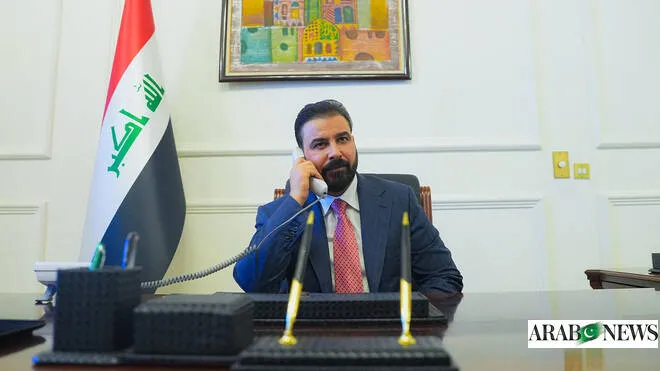
On May 2, 2026, Ali Al-Zaidi was nominated as Iraq’s Prime Minister by President Nizar Amede. This appointment marks a significant shift in the country’s political dynamics, heavily influenced by US interests and ongoing regional tensions.
Al-Zaidi has 30 days to form a cabinet. He faces numerous political challenges ahead. His selection reflects a strategic move amid the complex landscape of Iraq politics.
Within hours of his nomination, Pakistan’s Prime Minister Shehbaz Sharif expressed hopes to strengthen ties with Iraq under Al-Zaidi’s leadership. Sharif stated, “Pakistan looks forward to working closely with the new Iraqi government to further strengthen our bilateral ties and advance our shared aspirations for peace, stability, and prosperity in the region.” This sentiment underscores the importance of Al-Zaidi’s role in fostering regional cooperation.
Donald Trump also congratulated Al-Zaidi on his appointment. He invited him to the US after forming his government. Trump’s support is notable given his historical opposition to former Prime Minister Nouri Al-Maliki. This relationship may influence future US-Iran relations as well.
Trump remarked, “We wish him success as he works to form a new Government free from terrorism that could deliver a brighter future for Iraq.” His backing signals potential shifts in US policy towards Iraq under Al-Zaidi’s administration.
The implications of this appointment are significant for Iraq and its neighbors. Analysts view it as a turning point that could reshape alliances in the region, especially amidst rising tensions between Iran and the United States.
The next few weeks will be critical as Al-Zaidi works to establish his cabinet and navigate the political landscape. Observers will be watching closely for developments that emerge from this pivotal moment in Iraqi politics.