By Ahmed Khan
“Young girls are married off like cattle at an early age, and many of them die during childbirth,” said Uzma Bukhari, a member of the Punjab Assembly. Her words echoed the urgency behind the recently passed Child Marriage Restraint Bill 2026.
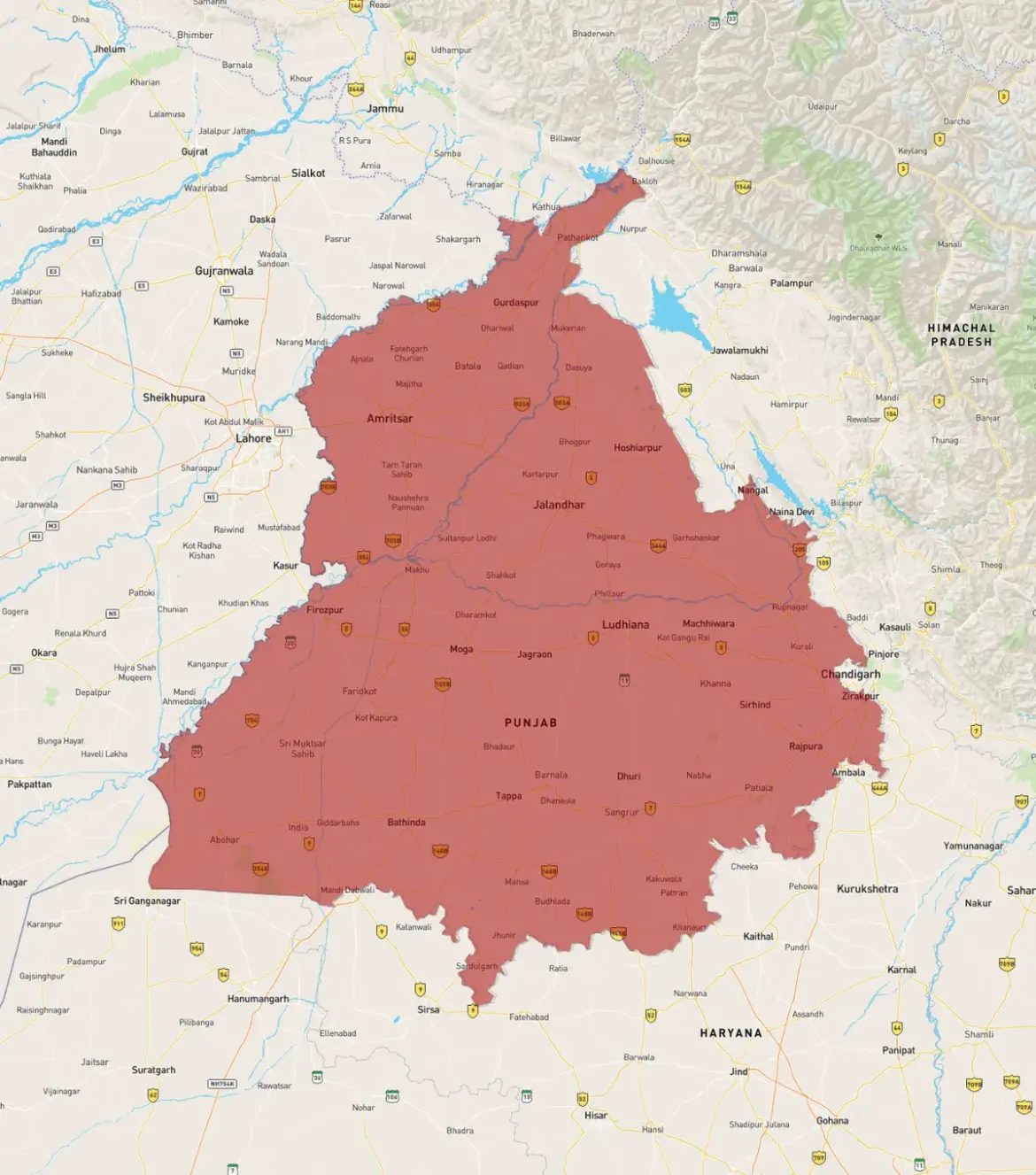
Early Tuesday, the Punjab Assembly approved legislation that raises the minimum legal age for marriage from 16 to 18 years. This marks a significant step against child marriage in Punjab, Pakistan.
The new law aims to protect young girls from early marriages, which have long been a troubling issue in the province. The Punjab Enforcement of Women Property Rights Act 2021 was enacted to safeguard women’s inheritance rights under Islamic law. However, over 4,000 inheritance claims remain unresolved.
As of midday, it remains unclear how swiftly the new bill will be implemented. The office of the provincial ombudsperson for women has been vacant since May 2025, raising concerns about enforcement capabilities.
Bukhari emphasized that proper documentation should be mandatory for marriage. She argued that national identity cards or birth certificates are essential to prevent child marriages. Her stance reflects a growing awareness and advocacy for women’s rights in Punjab.
In recent years, public awareness has led to increased reporting of workplace harassment cases. Currently, more than 1,000 such cases await resolution in Punjab. This backlog highlights systemic issues within the legal framework regarding women’s rights.
Nabila Hakim Ali Khan noted that during her tenure as ombudsperson, there was no backlog due to mutual agreements resolving many cases. However, this is not the current reality for countless women fighting for their rights.
With over 10,000 inheritance cases filed between 2021 and March 2026 and around 6,000 women receiving their share of inheritance, it is clear that much work remains to be done. The next steps towards enforcing these new laws will be crucial in shaping the future of women’s rights in Punjab.