By Bilal Ahmed
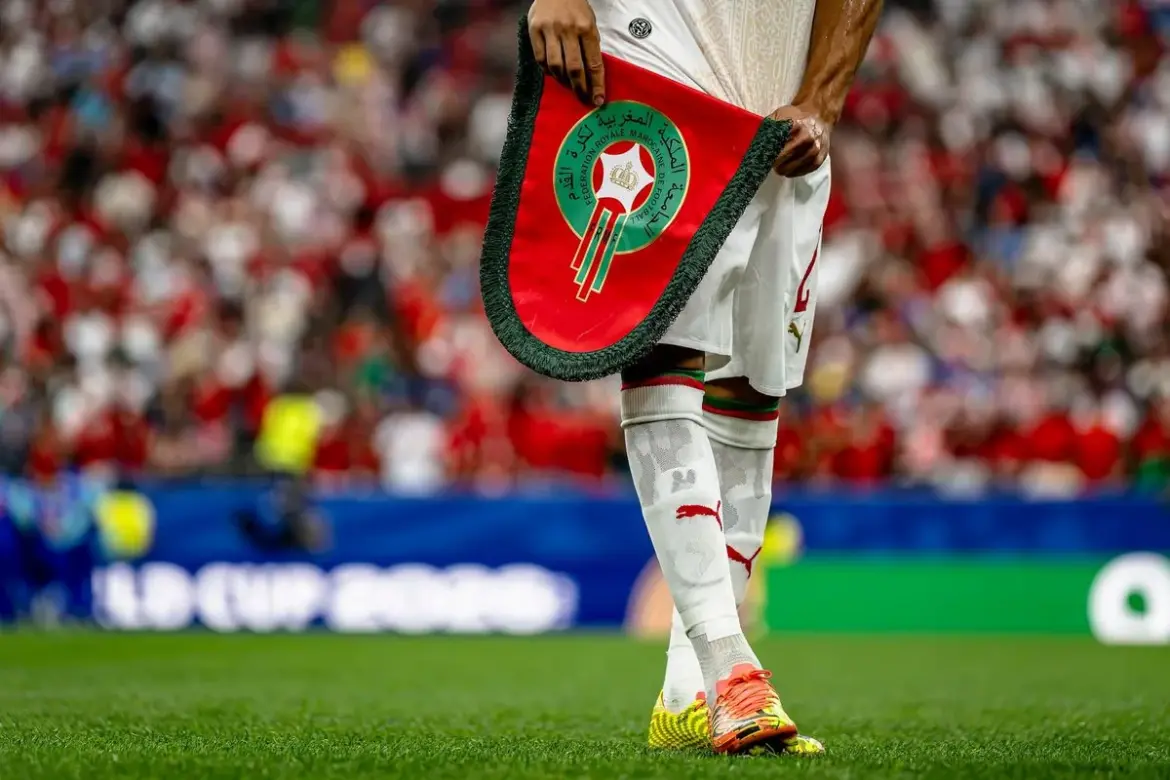
Preparations for the 2030 World Cup in Morocco have initiated discussions regarding national spending, with a focus on infrastructure development versus social needs. The country is set to co-host the tournament with Spain and Portugal, marking its first time as a host nation for the event. Significant investments are planned for stadiums, transportation, and tourism infrastructure.
Morocco intends to allocate money to the six stadiums designated for the World Cup. Additionally, there are extensive plans for improving airports and the high-speed rail network to accommodate spectators. The government has already invested over 190 billion dirhams, approximately 17.8 billion euros or $20 billion, in various infrastructure projects including rail, road, airports, and urban development.
Economic Priorities and Public Concerns
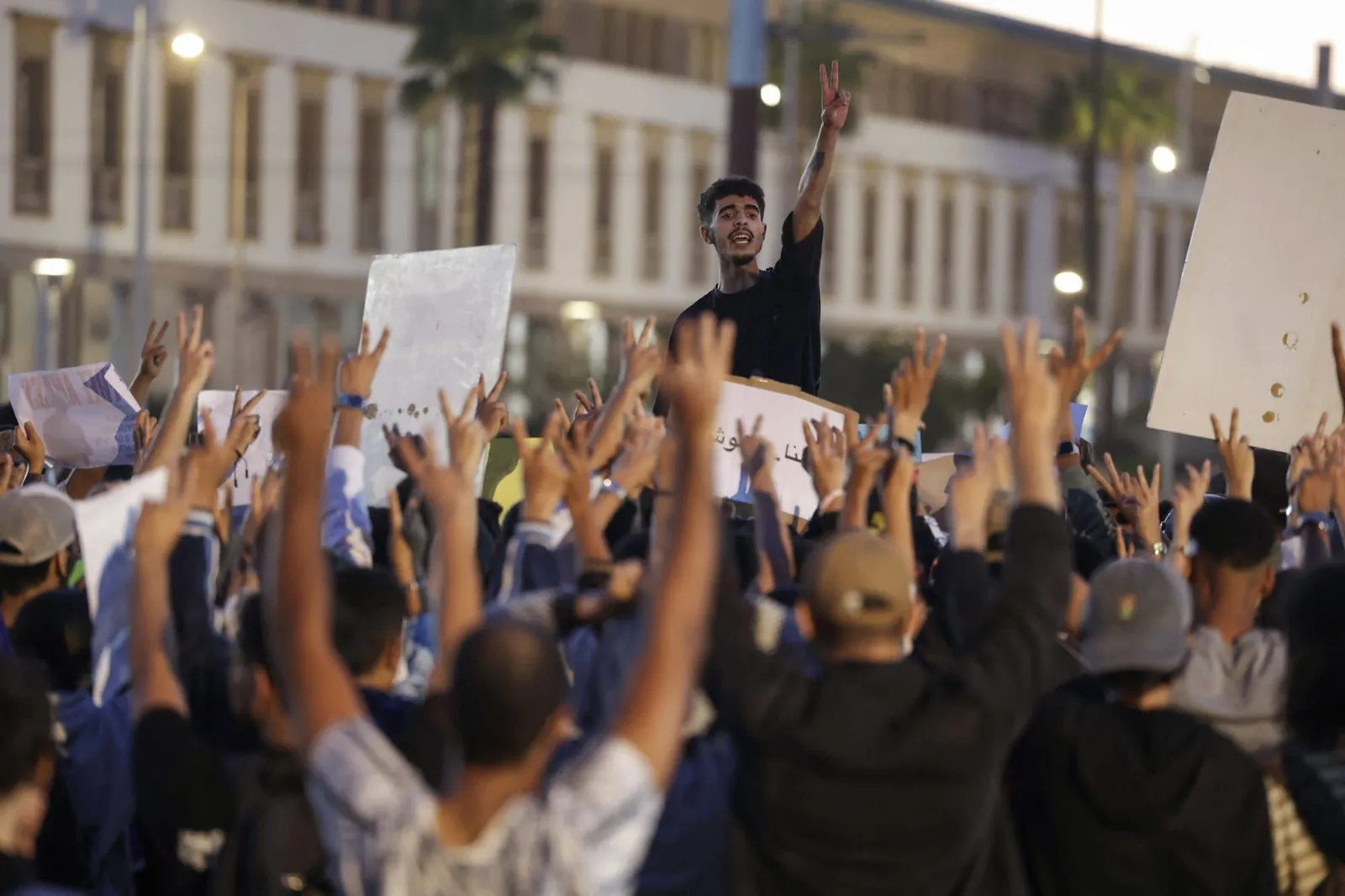
Despite the substantial investment in World Cup infrastructure, a segment of the younger population in Morocco believes these funds could be better utilized to address rising living costs. Activists, including Salma from Casablanca, highlight that the monthly minimum wage of 3,200 dirhams ($345) is insufficient to cover essential expenses like rent, utilities, and increasing food prices. This sentiment echoes past social movements in the country.
The nation has a history of social unrest, notably the ‘Bread Revolution’ in the early 1980s, which was fueled by high inflation and a cost-of-living crisis. Professor Redouane Amimi of Mohammed V University notes similarities between the current situation and the 1980s, pointing to rising prices, eroding purchasing power, and limited prospects for the middle and lower classes as common factors. In April, the annual inflation rate reached 1.7%, its highest since February 2025, largely due to increased transport costs.
Youth unemployment remains a concern, with 29.2% of 15-24-year-olds and 16.1% of 25-34-year-olds unemployed in the first quarter of this year. Activists like Youssef Bellaj have also raised concerns about Morocco‘s export-led agricultural model, which they argue leads to higher prices for local consumers. The Competition Council fined nine major fuel distributors for price-fixing, a move that activists hope signals a broader commitment to tackling what they term ‘superprofits’ at the consumer’s expense.
Tourism Sector Expansion
In parallel with World Cup preparations, Morocco is significantly expanding its tourism capacity. The country aims to add 60,000 hotel beds by 2030, which represents about a fifth of its current total. Over the past four years, 45,000 hotel beds have already been added, bringing the total capacity to just over 300,000. Morocco welcomed nearly 20 million tourists last year, making it Africa‘s most visited destination, and aims for 26 million visitors by 2030.
The government hopes to leverage the national team’s performance in the recent World Cup, where they reached the quarter-finals, to further boost tourism. Tourism Minister Fatim-Zahra Ammor stated that the 2030 FIFA World Cup is seen as an accelerator for the industry. The next phase of growth will focus on attracting more visitors from China, the United States, and the Middle East through improved air connectivity. Efforts are also underway to diversify tourism beyond traditional destinations like Marrakech and Agadir, with plans to establish Rabat as a hub for culture, sports, and business travel.
The central bank anticipates tourism revenue will reach a record amount.
Ongoing Social Dialogue
While the Gen Z protest movement has brought issues of inequality into public discourse, the authorities have largely responded with what activists describe as ‘technical management’ rather than systemic reform. One notable concession was an increase in funding for health and education in 2026, along with a promise to create jobs in these sectors. Activist Youssef Bellaj noted that the movement has made it harder to justify repression without damaging the country’s international image.
However, the expectations of Gen Z have evolved beyond merely reducing the cost of living; they now demand a more aggressive fight against monopolies and price-fixing. Despite a period of reduced street protests, activist Salma believes the underlying discontent persists, attributing the pause in demonstrations to fear.
Professor Amimi suggests that addressing purchasing power concerns, improving public services, and rebuilding trust in institutions will be crucial to reducing the risk of future unrest. The government continues to prepare for the 2030 World Cup, with significant investments in infrastructure and tourism, while also navigating ongoing social and economic discussions.
Read Also
Source: opendemocracy.net