By Bilal Ahmed
Malaysia explores F1 return amid Middle East uncertainty
The Malaysian government is undertaking a feasibility study regarding the potential hosting of a Formula One Grand Prix later this year. This consideration comes as the ongoing conflict in the Middle East continues to pose a threat to the latter stages of the 2026 Formula One season. Youth and Sports Minister Mohammed Taufiq Johari indicated that discussions are actively underway to assess the proposal.
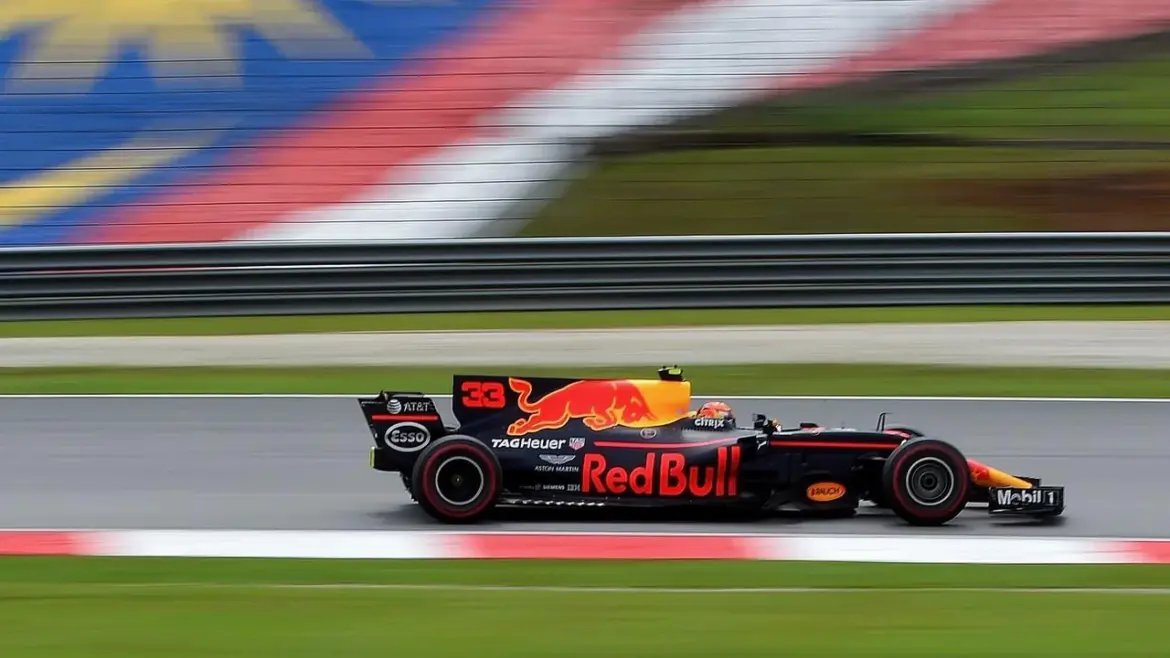
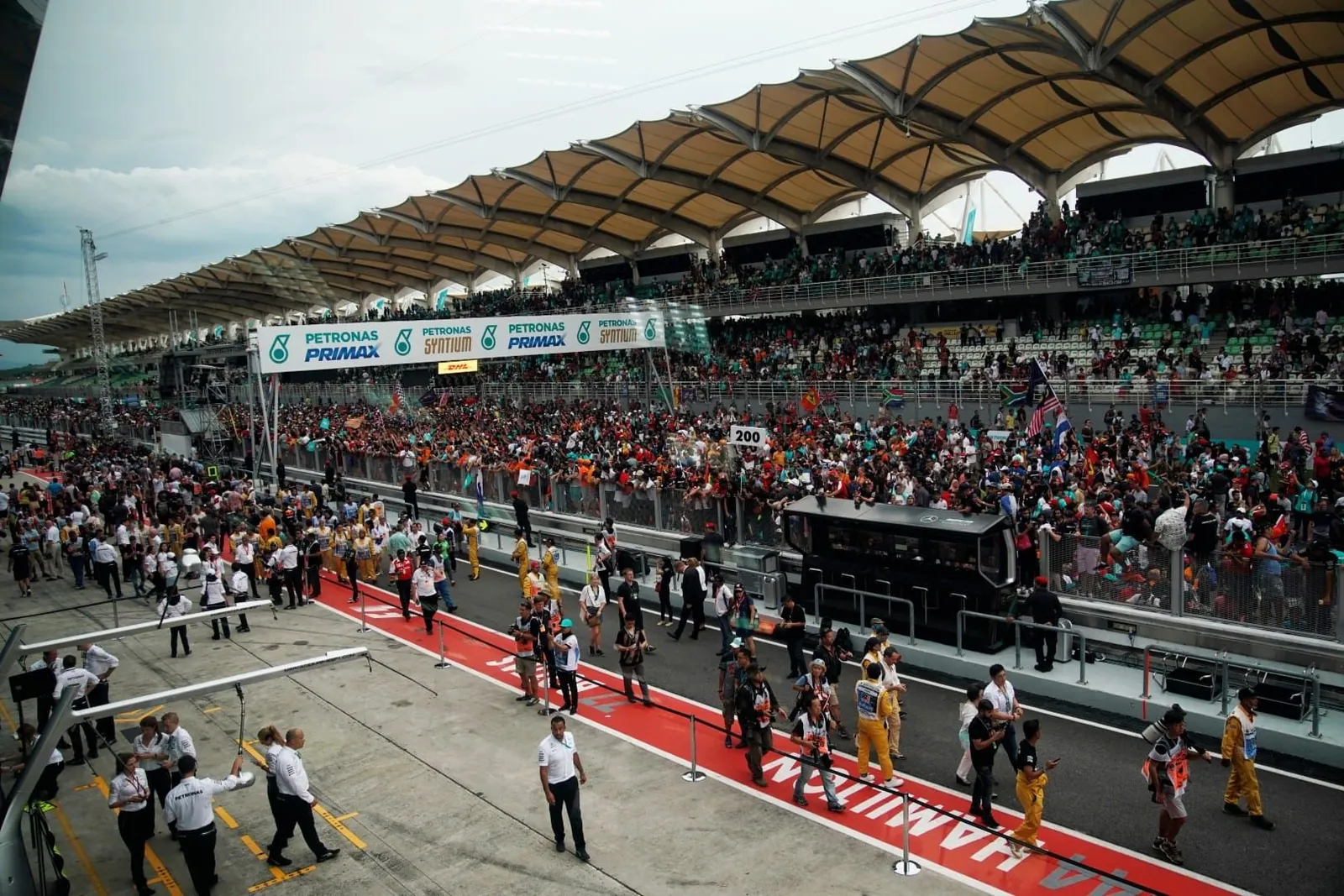
Preliminary information has been received by the government concerning the possibility of hosting a race at the Sepang International Circuit. This venue previously hosted Formula One races from 1999 until 2017. The potential return of Sepang could serve as a replacement for races in the Middle East that have been impacted by the conflict.
The original Formula One calendar for 2026 included 24 races. However, Grands Prix scheduled for Bahrain and Saudi Arabia in April were cancelled due to the war. Additionally, upcoming events in Qatar and Abu Dhabi are now also in doubt.
Sepang emerges as a leading contender
The Malaysian Grand Prix is being considered for a potential return to the Formula One calendar this season. This comes as championship officials look for alternative venues if races in the Middle East cannot proceed. While Bahrain had previously been considered for an October 4 slot between races in Baku and Singapore, an escalation in the conflict has made this increasingly unlikely.
A decision regarding the fate of the Bahrain race is anticipated soon. This decision could be influenced by an upcoming ruling from the FIA’s World Motor Sport Council (WMSC) concerning its World Endurance Championship (WEC) races in the Middle East. The WMSC’s decision, expected this weekend, will primarily be based on safety considerations and could pave the way for Formula One to make similar determinations regarding its Middle Eastern events.
Even if Bahrain is deemed unfeasible, there is a desire within Formula One to utilize the October weekend between the Baku and Singapore races for an event. This urgency is heightened by the uncertainty surrounding the final races in Qatar and Abu Dhabi, which could reduce the number of scheduled race weekends from the current 22.
Logistical challenges limit the potential locations for a replacement race. However, the Sepang International Circuit in Malaysia has emerged as a strong candidate. Its geographical proximity to Singapore and its location near an airport make it suitable for a quick turnaround event. Sepang remains in regular use for MotoGP and other international series, despite its departure from the Formula One calendar after 2017 due to high hosting fees.
While a final decision on the Qatar and Abu Dhabi races may be delayed, Formula One is evaluating end-of-season options for replacement events. Portimao in Portugal is considered a likely candidate for a potential season finale on December 6, two weeks after the Las Vegas Grand Prix.
Logistical advantages and past history
The Sepang International Circuit offers significant logistical advantages for a potential return to the Formula One calendar. Located near Kuala Lumpur’s International Airport, it facilitates efficient transport of freight. Furthermore, its proximity to Singapore, with only approximately 340 kilometres by road separating the two circuits, makes it a convenient option for back-to-back races.
The schedule for the preceding Azerbaijan Grand Prix, which takes place on a Saturday due to a national holiday, would provide an extra day for travel, further easing logistical arrangements. The circuit, which first joined the Formula One calendar in 1999, was a popular stop for the sport.
Organisers eventually withdrew from hosting the event after 2017 due to escalating hosting fees. Despite this, the venue continues to host a MotoGP round, also in October, and is a well-utilized facility for regional motorsport categories.
While Sepang is a strong contender, reports suggest it is not the only circuit being considered for the slot, and funding for any new event remains a key question. Although Formula One would prefer to maintain at least 22 rounds this season, it is not contractually obligated to do so, meaning any new events would need to demonstrate a financial return.
Source: dawn.com